
When your outside AC unit suddenly stops working, it can feel like summer has declared war on your comfort. That quiet hum you rely on disappears, and in its place is stale, warm air drifting through your home. If you’re dealing with this issue, you’re not alone. Plenty of homeowners find themselves sweating it out, unsure whether to call a professional or check something themselves.
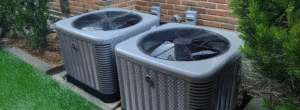
In this blog, you’ll learn what might cause your outdoor AC unit to stop turning on, which steps you can take to troubleshoot safely, and when it’s time to call in the pros. We’ll also break down how to prevent this problem in the future so you’re not caught off guard again.
First, Check the Obvious: Power and Thermostat Settings
Before assuming the worst, start with the basics. A surprising number of AC issues begin with something simple, like a tripped breaker or thermostat setting that got bumped.
Walk over to your thermostat. Is it set to “cool”? Is the temperature setting lower than your current indoor temperature? If not, your system won’t kick on. Set it to cool and drop the temperature a few degrees.
Next, head to your electrical panel and look for any tripped breakers. If the one controlling your AC unit is off or partially tripped, reset it. Be cautious if it trips again, this may signal an underlying electrical issue that requires professional attention.
The Disconnect Box Outside Might Be the Culprit
Every AC system has a shut-off box located next to the outdoor condenser unit. This is a safety feature that allows technicians to cut power during repairs. Sometimes, it gets switched off accidentally or during maintenance and never turned back on.
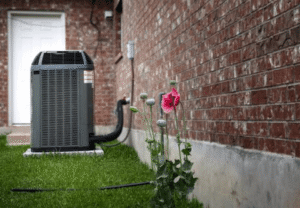
Open the box carefully and look for a fuse-style switch or pull handle. If it’s not fully inserted or turned on, restore it and see if the unit powers up.
If you’re not comfortable opening the disconnect box or you’re unsure about the wiring, do not touch anything. At that point, call a licensed HVAC technician for a safe inspection.
Check for Signs of a Faulty Contactor or Capacitor
If the unit seems to be getting power but still won’t run, the issue may be internal, especially the contactor or capacitor. These small but critical components help the compressor and fan motor start up.
A failed capacitor can keep the fan or compressor from kicking on even when the system tries to operate. You might hear a humming noise or clicking sound without the fan spinning. A bad contactor might prevent the unit from receiving power entirely.
While you may find videos online about replacing these parts yourself, it’s not something we recommend unless you have HVAC training. There’s high-voltage electricity involved, and improper handling can lead to serious injury or further damage to the system.
The Fan Isn’t Spinning, But the Unit Is Buzzing
If you hear a buzz but don’t see the fan spinning, turn off the system immediately. This likely points to a bad capacitor or motor problem. Trying to force it to run in this state can burn out the motor or trip your breaker again.
In some cases, the fan blades may be stuck due to debris or corrosion. Still, it’s not safe to attempt manually turning the blades or pushing the system to operate without a clear diagnosis.
A trained technician can determine if the issue is the fan motor, a failed run capacitor, or another electrical component.
Refrigerant Issues Can Prevent Operation
Air conditioners need a proper charge of refrigerant to work correctly. If your system has a low charge due to a leak, it may refuse to start. Some newer systems have low-pressure sensors that prevent operation to avoid damage.
You may notice frost on the refrigerant lines, bubbling or hissing sounds, or extremely weak airflow from your vents. These signs often point to a refrigerant problem.
Only licensed HVAC contractors are permitted to handle refrigerant, so don’t attempt to troubleshoot this on your own. A technician will inspect the system for leaks, recharge it properly, and test to ensure it’s cooling as it should.
A Clogged Drain Line Can Shut the System Down
Modern air conditioning systems have a safety float switch that triggers when the condensate drain line becomes clogged. This prevents water from backing up into your home but also stops the outdoor unit from running.
If your indoor unit’s drain pan has standing water or you haven’t cleared the drain line in a while, this might be the cause. A technician can vacuum the line and reset the switch to get things back to normal.
Scheduling routine maintenance once or twice per year can prevent this problem entirely and save you from surprise shutdowns.
Animals or Pests May Be Involved
Believe it or not, outdoor AC units attract unwanted visitors. Rodents, insects, and even snakes sometimes make their way into the unit’s electrical panel. They can chew through wires, trip connections, or short out sensitive components.
If you notice any strange smells, visible nests, or signs of chewing near the unit, it’s best to leave it alone and call a pro. Trying to fix pest-related damage yourself can be dangerous and lead to missed electrical issues that only worsen over time.
When to Call an HVAC Professional
If you’ve checked the thermostat, power supply, and disconnect box and the unit still won’t start, it’s time to get a qualified technician involved. Here’s why:
- Diagnosing electrical failures requires special tools and training
- Refrigerant issues are regulated and can only be handled by licensed pros
- Improper DIY repairs can void warranties or cause new problems
- Fast professional repair often costs less than guessing and replacing parts
You don’t want to be left sweating through a Montana summer, waiting days for parts that don’t even fix the problem. Getting help early can save you both time and money.
Prevent Future Issues With Regular Maintenance
Outdoor AC units do a lot of heavy lifting during the cooling season. Regular maintenance keeps them in good shape, improves energy efficiency, and catches small issues before they lead to bigger failures.
During a routine tune-up, a technician will inspect electrical components, clean coils, test refrigerant levels, flush the drain line, and ensure the system starts up properly. It’s a small investment that helps prevent big headaches.
If your unit has not been serviced in over a year, scheduling maintenance now is one of the best ways to avoid future shutdowns.
Call Polar Aire for Fast, Reliable AC Help
If your outdoor AC unit is not turning on and you’re tired of guessing, give Polar Aire a call. Our licensed technicians will arrive quickly, identify the real issue, and get your cooling system back on track without pressure or sales tactics.
We serve homes across Belgrade and the Gallatin Valley and back our work with a lifetime workmanship warranty. Whether it’s a faulty capacitor, low refrigerant, or a wiring problem, we’ll fix it right the first time.
Call today to schedule your service or request a free second opinion before replacing your unit. We’re here to restore your comfort without delay.
Let Polar Aire help you cool down, breathe easier, and feel confident your AC system is in good hands.