

You walk into your living room and realize something is off. The thermostat says it’s 72 degrees, but it feels more like 80. Before you start questioning your senses or blaming your air conditioner, there’s a good chance the thermostat itself is the problem.
A thermostat that reads the wrong temperature can make your HVAC system work harder than necessary, waste energy, and leave your home feeling uncomfortable. The good news is that the cause is usually simple to identify and fix. Let’s go over why this happens and what you can do about it.
Key Takeaways
- Incorrect thermostat placement near heat sources or drafts often causes false temperature readings and inconsistent comfort.
- Dust, dirt, or debris buildup inside the thermostat can block sensors and distort temperature accuracy.
- Aging or uncalibrated thermostats drift over time, creating inaccurate readings that waste energy and affect comfort.
- Electrical wiring issues or poor connections can interrupt signals, causing false readings or system malfunctions.
- Regular cleaning, calibration, and professional maintenance keep thermostats accurate, reliable, and efficient throughout all seasons.
Why Your Thermostat Is Reading the Wrong Temperature
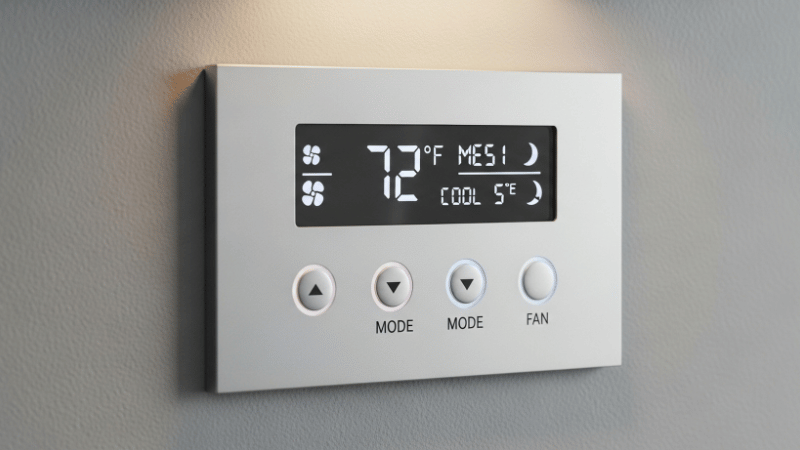
A thermostat can read the wrong temperature for several reasons. The most common causes include poor placement near sunlight, vents, or appliances that produce heat, which confuses the temperature sensor. Dust buildup inside the thermostat can also block accurate readings, while loose wiring or poor electrical connections can interrupt signals to your HVAC system. In some cases, aging components or calibration drift lead to ongoing temperature inconsistencies.
1. The Thermostat Is in the Wrong Spot
One of the most common reasons for inaccurate readings is thermostat placement. Where it’s located in your home has a major impact on how it senses temperature.
If it’s too close to a heat source such as a vent, window, or kitchen, it may read higher than the actual room temperature. If it’s near a draft, door, or cold corner, it might read lower. Both situations cause your heating or cooling system to turn on or off at the wrong times.
Ideally, your thermostat should be installed on an interior wall, away from direct sunlight, drafts, and appliances that generate heat. It should also be placed about five feet above the floor to ensure it measures the average air temperature in the room.
If your thermostat was installed in a poor location, a technician can relocate it to a more balanced spot for accurate readings.
2. Dust or Dirt Is Affecting the Sensor
Like any device, thermostats collect dust over time. Dust buildup can insulate the internal temperature sensor and interfere with how it reads the air around it.
This issue is more common in older mechanical thermostats, but even modern digital models can be affected. The dirt can cause delayed or incorrect readings, forcing your system to cycle too often or not often enough.
To fix this, gently remove the thermostat cover and use a soft brush or compressed air to clean the inside. Be careful not to touch the sensor or wiring. A simple cleaning can restore accuracy and help your system run more efficiently.
3. It Needs to Be Calibrated
Thermostats don’t stay perfectly accurate forever. Over time, even a high-quality model can drift out of calibration. That means the temperature it displays doesn’t match the actual air temperature in the room.
You can check calibration by comparing your thermostat’s reading to a reliable thermometer placed nearby. If there’s a difference of more than a couple of degrees, recalibration may be needed.
Some modern smart thermostats can be recalibrated through their settings menu, while others may require professional adjustment. A properly calibrated thermostat ensures your HVAC system responds correctly and maintains steady comfort levels.
4. Poor Wiring or Loose Connections
Faulty wiring can cause more than just reading errors. It can make your system behave unpredictably, such as short cycling, failing to start, or running continuously.
Over time, connections can loosen due to vibration or corrosion. If the thermostat loses signal intermittently, it may display inaccurate temperatures or fail to communicate with the HVAC system entirely.
Electrical issues should always be handled by a licensed technician. A quick inspection and tightening of connections often resolve the problem, but if the wiring is old or damaged, replacement may be necessary.
5. Your Thermostat Is Near Heat-Producing Appliances
If your thermostat is mounted near heat-producing appliances like lamps, televisions, or kitchen stoves, it may register a higher temperature than the actual room air. That makes your air conditioner work harder and run longer than it should.
Even nearby lighting can cause the sensor to read incorrectly. LED lights produce less heat, but traditional bulbs can easily throw off a thermostat’s temperature reading if they’re positioned too close.
The fix is simple. Keep electronics, lighting, and heating sources at least a few feet away from your thermostat. If relocation is not possible, a technician can help reposition the unit to a neutral area.
6. It’s Affected by Direct Sunlight
Sunlight might feel nice in the winter, but it is not good for thermostat accuracy. If your thermostat sits in a spot that receives direct sun for part of the day, its readings will fluctuate.
During the afternoon, it may sense the room is much warmer than it really is, causing the air conditioner to run unnecessarily. In winter, it may think the house is warmer than it feels and shut off the heat too soon.
Installing blinds or curtains can help, but the best solution is to move the thermostat to a shaded wall where it can detect consistent indoor air temperature.
7. Aging or Outdated Thermostat Components
Thermostats, like any electronic device, wear out over time. Sensors degrade, internal components fail, and calibration drifts beyond repair.
If your thermostat is more than 10 years old or showing inconsistent performance despite cleaning and calibration, it may be time to replace it. Newer models are far more precise and come with energy-saving features that improve both comfort and efficiency.
Upgrading to a programmable or smart thermostat allows better control, remote access, and automatic scheduling. A replacement is often one of the most affordable upgrades you can make to your HVAC system.
8. Interference from Other Devices
Wireless thermostats can sometimes experience signal interference from nearby devices such as Wi-Fi routers, microwaves, or Bluetooth speakers. Interference can cause connection drops or delayed updates, leading to inaccurate temperature readings or system response issues.
If you suspect interference, try moving wireless devices away from your thermostat or router. If the problem persists, a technician can evaluate the setup and ensure proper signal stability.
9. Your HVAC System Is the Real Problem
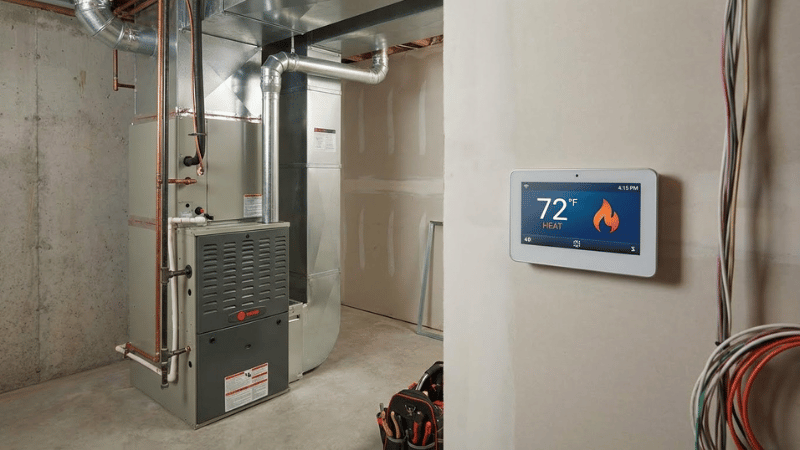
In some cases, the thermostat is working fine, but the HVAC system itself is not distributing air correctly. Restricted airflow, dirty filters, or failing components can cause rooms to feel warmer or cooler than the thermostat setting.
Before replacing or recalibrating your thermostat, check the basics. Make sure your air filters are clean, vents are open, and the system is cycling properly. If everything looks good but the problem remains, a professional inspection can confirm whether the issue is in the thermostat or the HVAC unit.
When to Call a Professional
A thermostat that consistently reads the wrong temperature wastes energy and can shorten the life of your HVAC system. If cleaning, moving, or recalibration does not fix the issue, it is time to call a professional.
At Polar Aire, we diagnose and repair thermostat problems quickly. Our technicians test the thermostat, wiring, and system response to pinpoint the cause of the error. If your thermostat needs replacement, we install new programmable or smart models that provide precise, consistent temperature control.
Preventing Thermostat Problems in the Future
Once your thermostat is working properly, you can prevent future issues with a few simple habits:
- Replace air filters regularly to maintain airflow
- Keep vents and registers clear of furniture and dust
- Avoid placing heat sources or electronics near the thermostat
- Schedule annual HVAC maintenance for calibration and cleaning
- Replace outdated thermostats before they fail
Regular upkeep keeps your thermostat accurate and your system efficient. A little attention now saves money and discomfort later.
Final Thoughts
A thermostat that reads the wrong temperature can throw your whole system off balance. The cause might be as simple as dust buildup or as complex as faulty wiring. Understanding these common issues helps you know when to make small adjustments yourself and when to call a professional.
If your home never feels as warm or cool as your thermostat says it should, contact Polar Aire. We will inspect your system, test your thermostat, and restore your comfort quickly and professionally.
Frequently Asked Questions
How often should I replace my thermostat?
Most thermostats last around 10 years, but frequent inaccuracies, calibration issues, or outdated features are signs it’s time for replacement. Upgrading to a smart or programmable model can improve comfort and efficiency.
Can Wi-Fi thermostats cause temperature reading problems?
Occasionally. Connectivity issues or software glitches in Wi-Fi thermostats can cause display errors or delayed updates. Restarting or updating the firmware often fixes this problem.
Will changing the thermostat’s batteries fix incorrect readings?
If your thermostat uses batteries, low power can affect its performance or display. Replacing them is a simple first step before calling for service.
Can humidity affect thermostat accuracy?
Yes. High humidity can interfere with temperature sensors, especially in older models. If your home’s humidity is inconsistent, it can cause fluctuating readings and irregular HVAC cycles.
Should I recalibrate my thermostat after replacing HVAC components?
Yes. New components like blowers, thermostats, or control boards can alter system behavior. Recalibration ensures the thermostat communicates correctly with your updated system.
Can paint or wall insulation affect my thermostat reading?
Thick paint layers, wallpaper, or hidden insulation behind the thermostat can trap heat and affect temperature accuracy. Proper installation on a clean, uninsulated wall helps maintain consistent readings.